Input Buffer Timings and Their Role in Synchronizing Cross-Platform Fighter Matches
Written by Mia Hughes · Jul 26, 2026
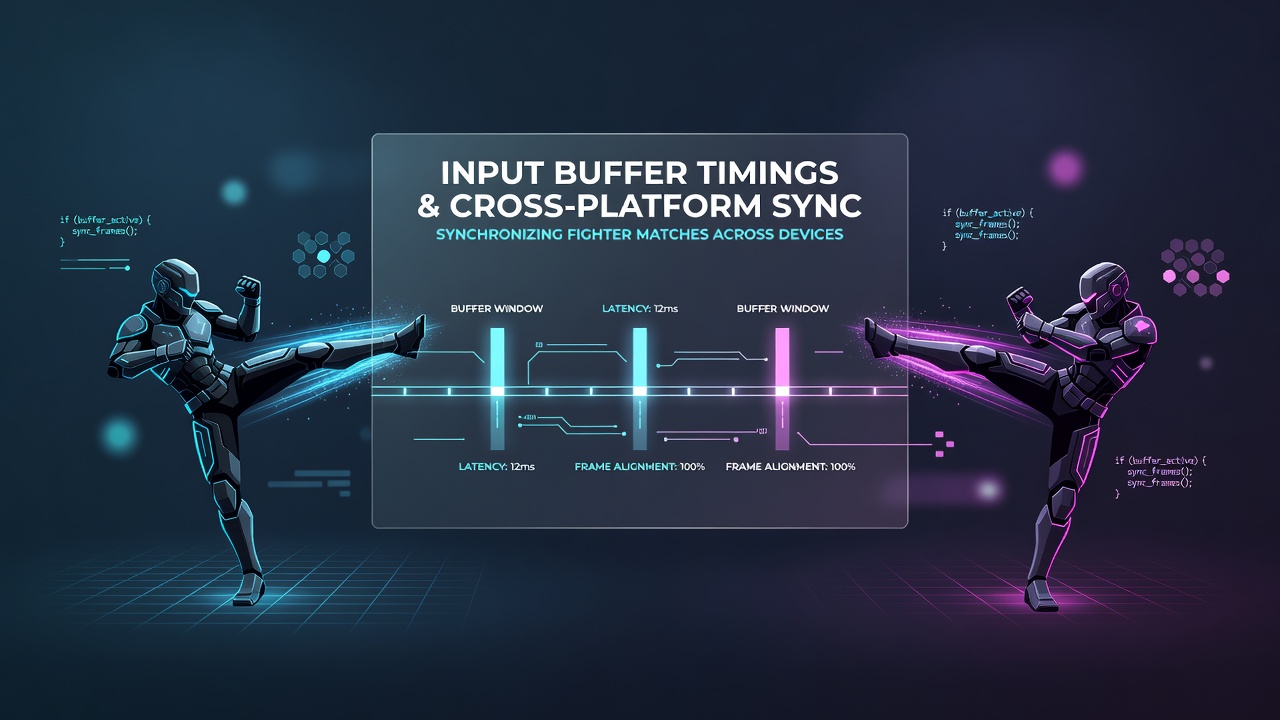
Input Buffer Timings and Their Role in Synchronizing Cross-Platform Fighter Matches
Input buffers serve as temporary storage mechanisms in fighting game engines where player commands remain queued for a set number of frames before execution occurs and this system proves essential when developers synchronize matches across platforms with differing hardware clocks and network conditions. Researchers at institutions such as the University of Tokyo have documented how buffer windows typically span between three and eight frames depending on the title and these intervals allow commands like special move inputs to register even if the player presses buttons slightly early or late relative to the animation cycle. Data from competitive play logs indicates that precise buffer calibration reduces dropped inputs during online sessions where latency fluctuates between 30 and 120 milliseconds across console generations.
Mechanics of Input Registration and Frame Timing
Game engines process controller signals at fixed intervals measured in 60 frames per second increments while buffer systems hold directional and button data in memory until the next available action window opens and this approach compensates for minor timing discrepancies that arise when players compete on PlayStation 5 hardware versus Xbox Series X or PC builds. Observers note that titles such as Street Fighter 6 and Tekken 8 implement adjustable buffer lengths that developers tune during netcode updates to maintain consistent feel regardless of the underlying platform and figures from tournament data collected in 2025 reveal that optimized buffers lowered input desync rates by measurable margins in cross-play lobbies. Engineers adjust these values through iterative testing that accounts for both local frame pacing and remote player latency compensation algorithms.
Cross-Platform Synchronization Challenges
Platform differences introduce variable input polling rates and display refresh behaviors that buffer timings must bridge to keep matches fair and synchronized because a command registered on one device may arrive at the server several frames later than an equivalent press from another player and rollback netcode systems rely on buffer data to predict and reconcile these gaps. Studies conducted by the Entertainment Software Association in the United States highlight how buffer expansions in recent patches enabled smoother play between PC and console users while maintaining competitive integrity. What's interesting is that buffer windows also interact with animation cancel frames so developers map each character's move set against the buffer length to avoid unintended move executions during high-latency conditions and this mapping requires extensive per-platform calibration.
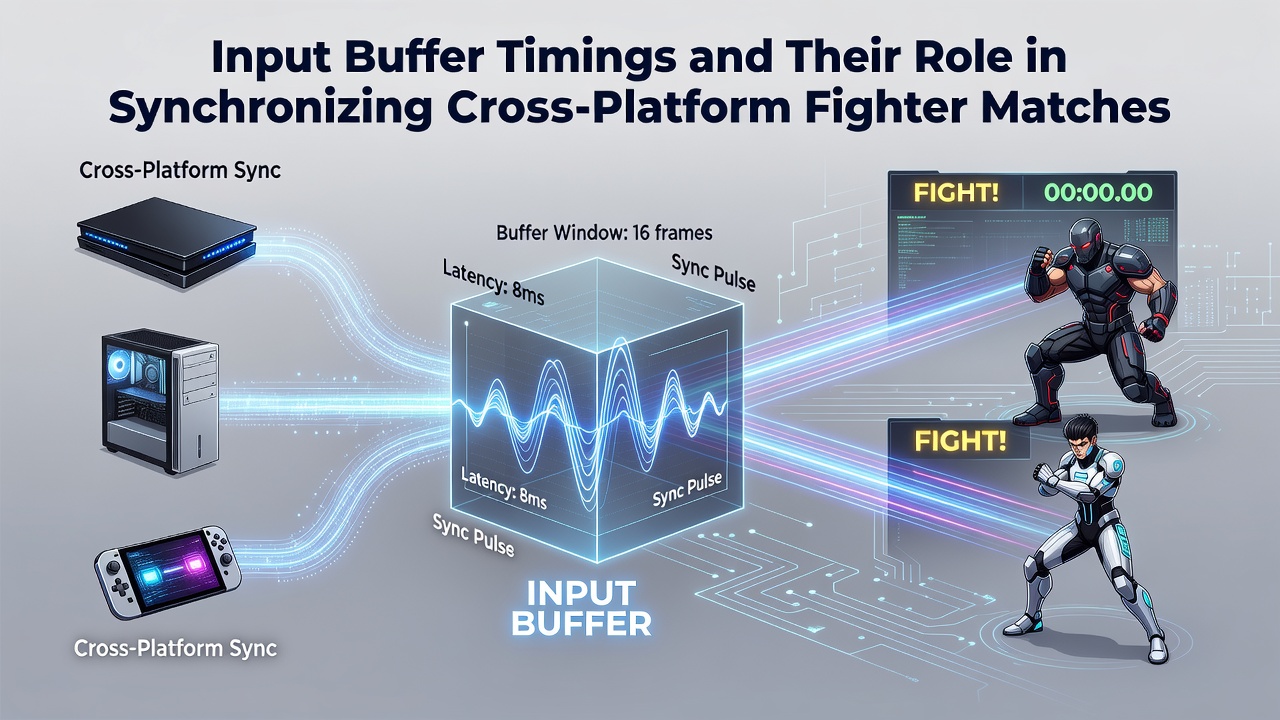
One developer team working on a major 2024 release adjusted buffer values after receiving telemetry from thousands of cross-region matches and the changes allowed inputs to remain valid for an additional two frames without introducing new exploits. European research groups have examined similar adjustments in games released across the continent and their findings align with North American data showing that buffer tuning directly correlates with reduced rollback events when players connect through mixed hardware setups. Those who analyze packet traces note that buffer states get transmitted alongside position and animation data so the receiving client can reconstruct the exact sequence of queued commands even when network jitter disrupts the stream.
Implementation Examples Across Popular Titles
Guilty Gear Strive employs a buffer system that prioritizes command storage during its fast-paced neutral game while Tekken 8 extends buffer windows during certain stance transitions to accommodate the game's longer move strings and both approaches demonstrate how timing parameters adapt to genre-specific demands. In July 2026 several titles released netcode refinements that further refined these buffers following feedback from global tournaments where cross-platform participation reached record levels. Tournament organizers report that standardized buffer settings across platforms helped equalize the experience for competitors using different controllers and connection types and this standardization emerged after months of collaborative testing between studios and hardware vendors.
Buffer implementations also account for controller type variations because arcade sticks register inputs with different debounce characteristics than gamepads and developers embed compensation layers within the buffer logic to normalize these differences before they affect match synchronization. Research papers published by academic networks in Canada detail laboratory measurements of input latency across multiple controller models and these measurements guided subsequent buffer adjustments in live titles. The reality is that buffer timings function as one component within a broader synchronization framework that includes delay-based prediction and rollback reconciliation yet their precise calibration often determines whether a match feels responsive or sluggish under variable network loads.
Conclusion
Input buffer timings continue to evolve as developers refine cross-platform fighter experiences and data collected from ongoing tournaments and telemetry systems guides these refinements. Observers note that ongoing collaboration between studios and research institutions supports consistent synchronization standards and these efforts ensure that players on disparate hardware encounter equivalent input windows during competitive play. The technical interplay between buffer length, animation data, and network compensation remains central to maintaining fair matches across evolving console and PC ecosystems.